

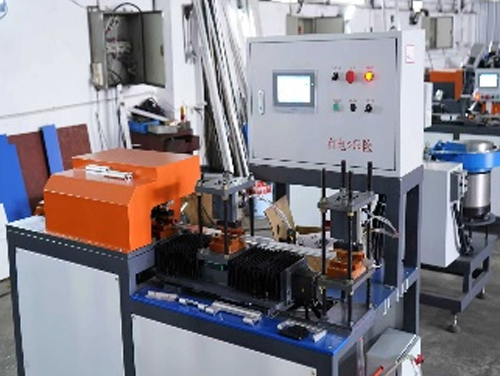
Energy-Saving Features: Technologies, Trends, and Industrial Applications
Industry Background and Market Demand
The global push toward sustainability and cost efficiency has made energy-saving features a critical focus across industries. Governments and corporations alike are adopting stricter energy regulations, driven by both environmental concerns and operational cost pressures. According to the International Energy Agency (IEA), industrial energy consumption accounts for nearly 37% of global energy use, making efficiency improvements a high-priority investment.
Manufacturers, building operators, and technology providers are increasingly integrating energy-saving features into equipment, infrastructure, and digital systems. Key sectors driving demand include HVAC (heating, ventilation, and air conditioning), automotive, consumer electronics, and industrial automation.
Core Concepts and Key Technologies
Energy-saving features encompass a range of technologies designed to minimize power consumption without compromising performance. These include:
1. Variable Frequency Drives (VFDs) – Adjust motor speed to match load requirements, reducing energy waste in pumps, compressors, and fans.
2. Thermal Insulation Materials – Advanced aerogels and vacuum insulation panels (VIPs) improve heat retention in buildings and industrial processes.
3. Smart Sensors and Automation – IoT-enabled devices optimize energy use by adjusting operations based on real-time data.
4. LED Lighting and Low-Power Displays – Reduce electricity consumption in commercial and residential applications.
5. Regenerative Braking Systems – Recover kinetic energy in electric vehicles and industrial machinery.
Product Structure, Materials, and Manufacturing
The effectiveness of energy-saving features depends on design, materials, and production methods. For example:
- HVAC Systems – Modern units integrate VFDs, high-efficiency compressors, and heat exchangers made from corrosion-resistant alloys.
- Building Insulation – Aerogel-based materials offer superior thermal resistance with minimal thickness, improving space utilization.
- Electric Motors – Permanent magnet synchronous motors (PMSMs) achieve higher efficiency than traditional induction motors.
Manufacturers prioritize precision engineering to minimize energy losses. For instance, motor laminations use thin, high-grade silicon steel to reduce eddy current losses, while advanced coatings on heat exchangers enhance durability and thermal transfer.
Key Factors Affecting Performance
Several variables determine the success of energy-saving implementations:
1. System Integration – Standalone components may not deliver optimal savings; full-system optimization is often necessary.
2. Operational Conditions – Ambient temperature, humidity, and load variability impact efficiency.
3. Maintenance Practices – Poorly maintained equipment (e.g., clogged filters, misaligned belts) can negate energy-saving benefits.
4. Material Degradation – Insulation materials and electronic components may lose effectiveness over time.
Supplier Selection and Supply Chain Considerations
Reliable suppliers are critical for ensuring component quality and long-term performance. Key selection criteria include:
- Certifications – ISO 50001 (energy management) and IEC standards for electrical components.
- Material Traceability – Suppliers should provide documentation on raw material origins and testing results.
- Scalability – Ability to meet large-scale industrial demands without compromising lead times.
Companies often partner with suppliers specializing in high-efficiency materials, such as rare-earth magnets for motors or low-emissivity glass for building applications.
Common Challenges and Industry Pain Points
Despite advancements, several obstacles hinder widespread adoption:
1. High Initial Costs – Energy-efficient systems often require significant upfront investment, deterring smaller enterprises.
2. Compatibility Issues – Retrofitting older infrastructure with new technologies can be technically complex.
3. Performance Trade-offs – Some solutions sacrifice output or response time for efficiency gains.
4. Regulatory Fragmentation – Differing regional standards complicate global supply chains.
Applications and Case Studies
Industrial Automation
A German automotive plant reduced energy consumption by 22% after installing VFDs on assembly line motors and implementing predictive maintenance via IoT sensors.
Commercial Buildings
A LEED-certified office complex in California cut HVAC energy use by 30% through aerogel insulation and dynamic shading systems.
Consumer Electronics
Smart thermostats with machine learning algorithms optimize heating/cooling cycles, saving households an average of 10–15% on energy bills.
Current Trends and Future Outlook
1. AI-Driven Optimization – Machine learning models analyze energy patterns to automate adjustments in real time.
2. Solid-State Cooling – Thermoelectric materials replace traditional refrigerants, eliminating greenhouse gas emissions.
3. Energy-Harvesting Devices – Self-powered sensors and wireless systems reduce dependency on grid electricity.
4. Circular Manufacturing – Recyclable and modular designs extend product lifespans while minimizing waste.
FAQ
Q: How do VFDs contribute to energy savings?
A: By adjusting motor speed to match demand, VFDs prevent constant full-power operation, reducing energy consumption by up to 50% in variable-load applications.
Q: What are the trade-offs of using aerogel insulation?
A: While highly efficient, aerogels are costlier than traditional materials like fiberglass, though their thin profile can offset installation expenses.
Q: Can existing infrastructure be upgraded for energy efficiency?
A: Yes, retrofitting with VFDs, LED lighting, or smart controls is feasible, but ROI depends on the system’s age and operational profile.
Conclusion
Energy-saving features are no longer optional but a necessity for industries aiming to meet sustainability goals and reduce costs. Advances in materials, automation, and system integration continue to push efficiency boundaries, while challenges like cost and compatibility require ongoing innovation. As regulations tighten and technology evolves, businesses that prioritize energy efficiency will gain a competitive edge in both performance and environmental stewardship.
This website uses cookies to ensure you get the best experience on our website.
 ไทย
ไทย हिन्दी
 Tiếng Việt
 বাংলা
বাংলা



 Phone:
Comment
(0)